




34 products

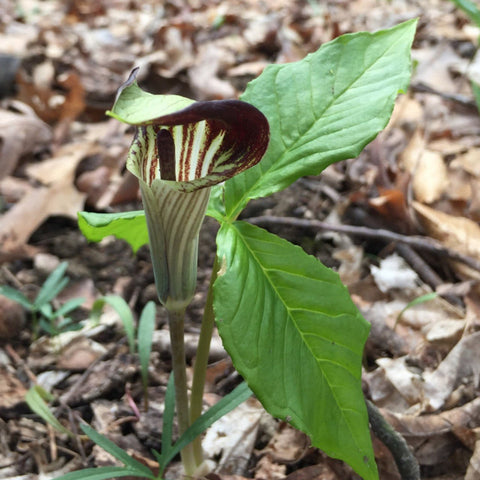


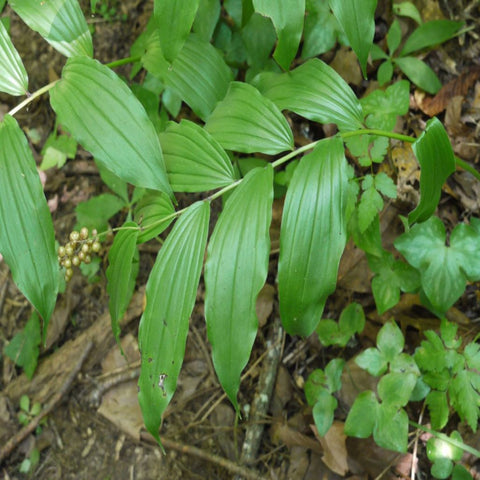


Perennial Plants Are Low Maintenance
Perennials require minimal care to thrive, and you can plant them and forget about them for a while. They'll come back each year, so you don't have to replant perennials every time they die. Perennials can be left alone for years without special care; they need water when the weather is dry.
Perennials Can Be Divided and Planted in New Spots
You can divide perennials when they are growing, usually in spring or fall. Then, you can dig up the perennial with a shovel or hand spade, cutting through any roots you don't want to keep with your knife. When doing this, it's best to start from the center of the plant. The root should be separated into individual pieces, then replanted into its container filled with soil. It is good to water well and allows it to cure for two weeks before transplanting it into its final position.
Perennial Plants Are Versatile
Perennials can be used in many areas of the garden and will last for years if you take care of them properly. They can be used in borders, rockeries, and containers because they adapt to natural conditions better than most annuals. Perennials flower all summer long, giving color to your garden throughout the months when other plants are dormant or have stopped flowering. Many perennial plants are also edible, so they're easy to incorporate into a kitchen garden!
Perennials Can be Propagated From Stem Cuttings
You can propagate perennials from stem cuttings between spring and fall, and this is how you should do it:
- Use greenwood stem material from an actively growing shoot with three nodes on it.
- Remove leaves from these shoots before allowing them to dry out slightly for several days in a shaded location from direct sunlight.
- Cover these flats loosely until germination occurs.
- Move them outdoors after the danger of frost has passed.
Perennials are the perfect choice for a low-maintenance garden, as they require little to no care. They're also easy to propagate and can be left alone for years without going to seed. This makes them great for those who have a little time or energy to devote to growing their flowers. Perennials can be a great option to improve your lawn and garden with minimal effort.
Should I grow perennials or annuals?
Perennials are more manageable than annuals. They can be divided into two categories. First is the perennials that are perennials because they die back to the soil in winter and regrow from their roots or rhizomes. The other group is those that are deciduous perennials. They lose their leaves in autumn and grow new ones from buds on their branches or stems next spring.
Perennials are an excellent investment for your garden, and they help save you time and give you more choices regarding the kinds of plants you want in your yard. Whether it's just one new spot or five new spots, perennial plants are always there for you!
WHERE TO BUY PERENNIALS?
We sell perennial plants on our website and carry many perennial plants, which frequently change as we rotate our stock. You need to check back often to see what's new. Perennial plants live for several years and come back yearly in the same spot where you planted them. These hardy plants make an excellent investment for your garden. Perennials are a great choice for your yard or garden because of various reasons.
What are the best perennials to buy?
3. Bloodroot