


9 products



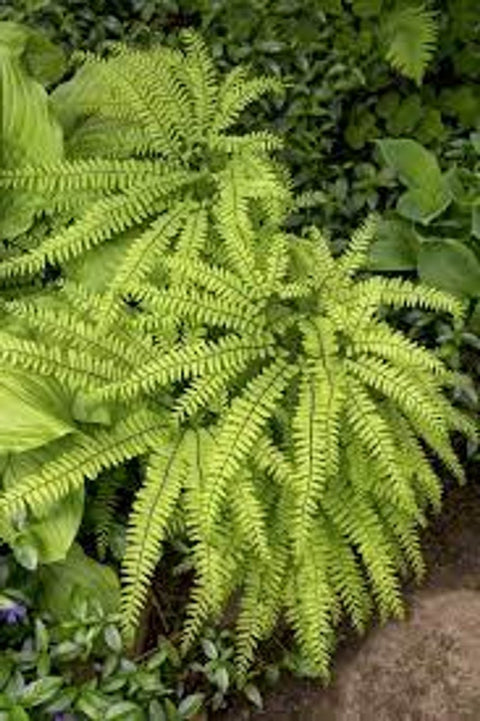

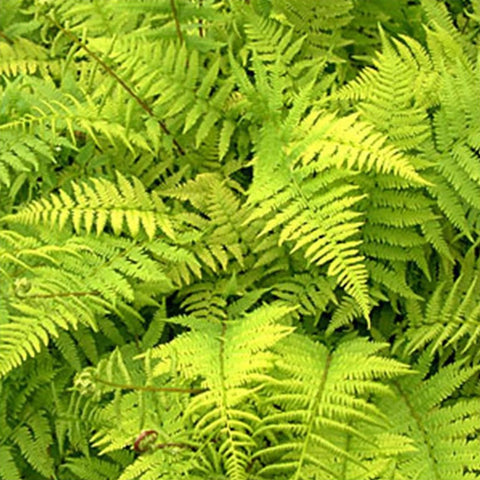
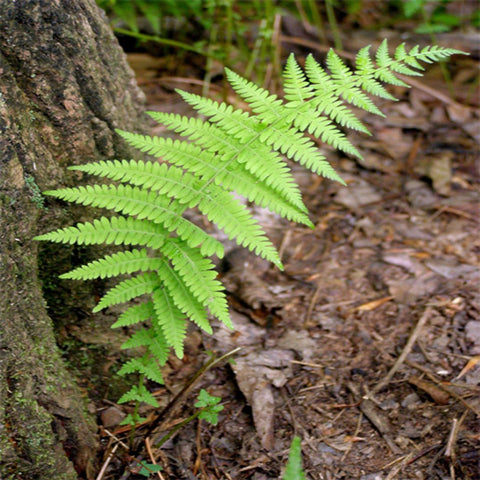
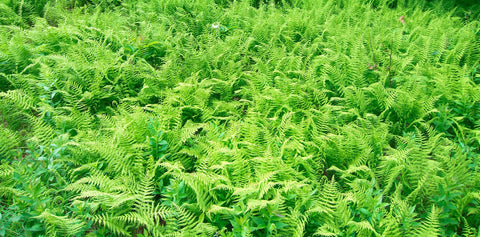


Ferns for Shade
Ferns are the classic answer to a shady garden. They thrive where sun-loving perennials struggle, adding soft texture and fresh green to woodland borders, north-facing walls, and the ground under trees. Our hardy shade ferns come back year after year and slowly form fuller clumps.
Our ferns ship as bare root plants and rhizomes, not potted plants. Expect dormant roots or crowns when your order arrives, with little or no foliage. Fronds unfurl once the soil warms.
Best Ferns for Shade
For moist, rich shade:
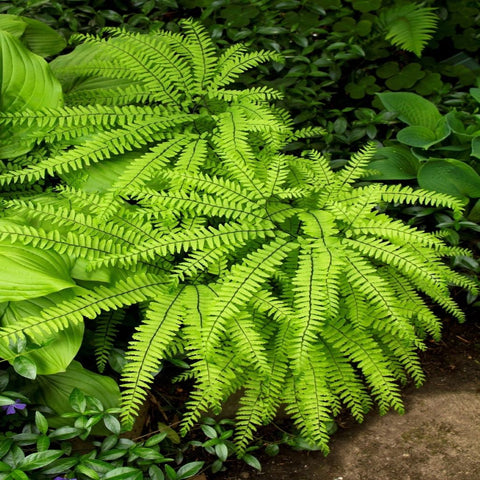
- Maidenhair fern (Adiantum pedatum): Delicate, fan-shaped fronds on dark, wiry stems. A woodland favorite.
- Lady fern (Athyrium filix-femina): Lacy, airy foliage that establishes quickly.
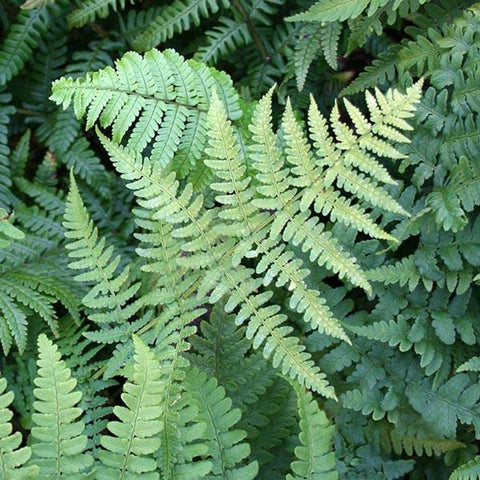
- Japanese painted fern (Athyrium niponicum): Silver and burgundy fronds that light up dark corners.
- Ostrich fern (Matteuccia struthiopteris): Tall, vase-shaped fronds for large shady areas.
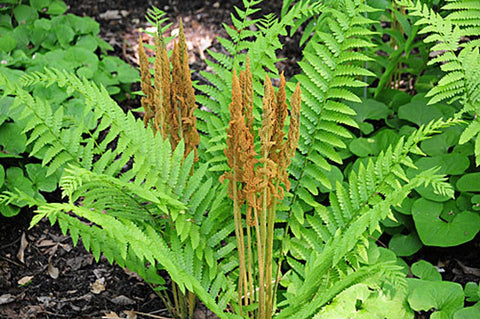
- Cinnamon fern (Osmundastrum cinnamomeum): Upright fronds with cinnamon spore stalks.
- Royal fern (Osmunda regalis): Bold, dramatic fronds that make a statement.
For dry shade (under trees and along foundations):
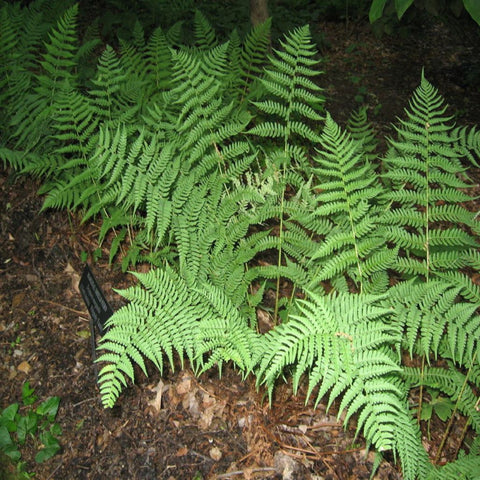
- Marginal wood fern (Dryopteris marginalis): Leathery, semi-evergreen fronds that tolerate drier soil.
- Christmas fern (Polystichum acrostichoides): Evergreen fronds that hold through winter.
- Autumn fern (Dryopteris erythrosora): Coppery new growth that matures to deep green.
- Male fern (Dryopteris filix-mas): A dependable, clumping fern with a classic look.
For deep shade:
- Christmas fern, wood ferns, and maidenhair fern all handle low light well.
How to Plant Bare Root Ferns in Shade
- Plant in spring after the last hard frost, or in early fall at least 4 to 6 weeks before the ground freezes.
- Choose a spot with part to full shade. Rich, well-drained soil is best.
- Mix compost or leaf mold into the planting area.
- Spread the roots out and set the crown at or just below the soil surface.
- Water well and keep the soil evenly moist through the first season.
- Mulch 2 to 3 inches deep to hold moisture and protect roots in winter.
Why Grow Ferns in Shade?
- Thrive in low light: They grow where lawns and most flowers won’t.
- Low maintenance: Once established, they need little care beyond mulch and occasional water.
- Deer and rabbit resistant: Most ferns are rarely bothered by wildlife.
- Texture and contrast: Their fine foliage pairs beautifully with hostas, astilbe, and other shade perennials.
- Long-lived: Many ferns last for decades and spread into fuller clumps.
Shade Ferns FAQ
What is the best fern for full shade?
Christmas fern, wood ferns, maidenhair fern, and lady fern all do well in deep shade.
What ferns grow in dry shade?
Marginal wood fern, Christmas fern, autumn fern, and male fern tolerate drier soil once established.
How much shade do ferns need?
Most prefer part to full shade. Morning sun with afternoon shade works well for many varieties.
Do shade ferns come back every year?
Yes. Hardy ferns are perennials. Fronds of deciduous types die back in fall and return in spring.
Can I plant ferns under trees?
Yes, but amend the soil and water well the first season, since tree roots compete for moisture.
What do bare root ferns look like when they arrive?
Dormant rhizomes or crowns with roots, usually without foliage. This is normal, and fronds emerge after planting and warm weather.