


2 products
Ferns That Grow in Sun
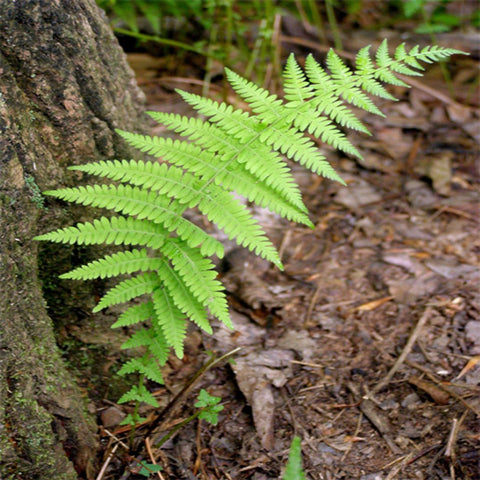
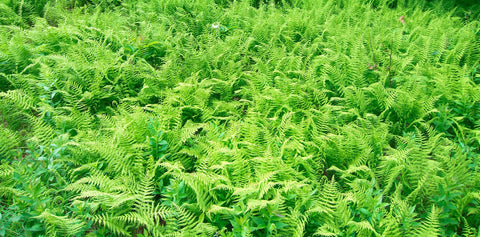
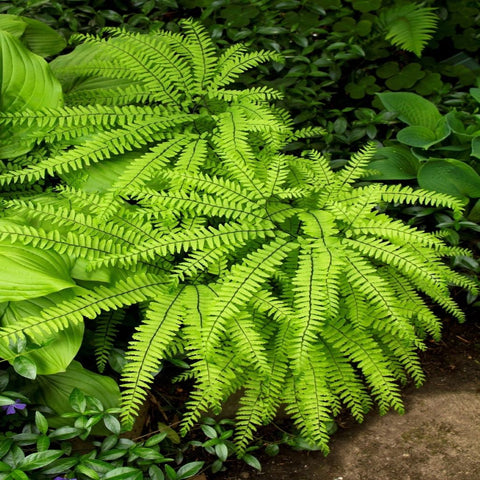
Most ferns are known as shade plants, but several tough varieties thrive in full or part sun. The secret is consistent moisture. Give these ferns damp, rich soil and they handle bright light with lush, healthy fronds, making them ideal for pond edges, rain gardens, open woodland borders, and low spots that stay wet.
Our ferns ship as bare root plants and rhizomes, not potted plants. Expect dormant roots or crowns when your order arrives, with little or no foliage. Fronds emerge once the soil warms.
Best Ferns for Sun
These varieties tolerate more light than typical ferns:
- Ostrich fern (Matteuccia struthiopteris): Tall, vase-shaped fronds. Tolerates full sun in cool climates if the soil stays moist.
- Royal fern (Osmunda regalis): Bold, dramatic fronds that do best in sun with wet feet. Great near ponds and streams.
- Cinnamon fern (Osmundastrum cinnamomeum): Upright fronds with cinnamon spore stalks. Handles sun in consistently wet soil.
- Sensitive fern (Onoclea sensibilis): A fast-spreading, adaptable fern that tolerates sun and wet ground.
- Marsh fern (Thelypteris palustris): Spreads quickly in boggy, sunny spots.
- Hay-scented fern (Dennstaedtia punctilobula): A vigorous spreader that tolerates sun and poor soil. Good for slopes and large areas.
- Lady fern (Athyrium filix-femina): Takes morning sun when kept evenly moist.
- Giant chain fern (Woodwardia areolata): A tall native for sunny, wet areas in warmer zones.
How to Grow Ferns in Sun
- Keep the soil moist. Sun-tolerant ferns still need steady water. Dry soil plus sun scorches fronds fast.
- Choose the right spot. Pond edges, rain gardens, streambanks, and low areas are ideal.
- Amend the soil. Mix compost into the planting area to hold moisture.
- Mulch. Apply 2 to 3 inches to keep roots cool and soil damp.
- Plant at the right time. Spring after the last hard frost, or early fall at least 4 to 6 weeks before the ground freezes.
- Water deeply during the first season while roots establish.
Sun vs. Shade: What to Expect
Ferns in more sun often grow a little shorter and denser, and fronds may be lighter green. Afternoon sun in hot climates is the biggest risk, so morning sun with afternoon shade works best in zones 7 and warmer. In cooler northern zones, many of these ferns handle all-day sun without trouble.
Ferns for Sun FAQ
Can ferns grow in full sun?
Some can. Ostrich, royal, cinnamon, sensitive, and marsh ferns tolerate full sun if their soil stays consistently moist.
Why are my ferns turning brown in the sun?
Usually it’s heat and dry soil. Water more often, add mulch, and consider shading the plant from hot afternoon sun.
What is the best fern for a wet, sunny spot?
Royal fern, marsh fern, and sensitive fern are top choices for pond edges and boggy areas.
Do sun-tolerant ferns spread?
Many do. Ostrich, sensitive, marsh, and hay-scented ferns spread by runners or rhizomes, so give them room.
What do bare root ferns look like when they arrive?
Dormant rhizomes or crowns with roots, usually without foliage. This is normal, and fronds appear after planting and warm weather.